Suicidal Alcoholic to 39 Years Sober | Greg’s Story
This September, Greg celebrated 39 years of sobriety, and he’s quick to say it’s all God’s doing. In this episode, Greg shares how God removed the obsession and compulsion to drink. He talks about the sponsor who has walked beside him for all 39 of those years, and the stranger from under a bridge who told him, “Brother, you gotta get it out.” He also describes how a legalistic upbringing and childhood trauma shaped his understanding of God. Today, Greg is a former pastor, Celebrate Recovery coordinator and chaplain from the Joplin, Missouri area. He works one-on-one with people in early recovery and helps churches become ready to walk alongside them.
We talk about the hard first 18 months of sobriety, what Greg calls “obedience before understanding,” and the moment a friend told him the Bible never says to give your life to Jesus. That truth changed everything for him. Your job is to get your life from Jesus.
Whether you’re questioning your own drinking, newly sober, or still trying to earn God’s approval years into recovery, Greg’s story is a powerful reminder that God’s grace isn’t an umbrella you can run out from under.

At 31, Greg was a desperate, lonely, suicidal alcoholic hiding his drinking from everyone, including his counselor. Today he’s celebrating 39 years of sobriety and says it’s all God’s doing.
Greg is a former pastor, Celebrate Recovery coordinator and recovery coach from the Joplin, Missouri area. He shares how God removed the obsession and compulsion to drink. He also talks about the sponsor who has walked with him for 39 years, and how childhood trauma fuels addiction. He explains the life-changing shift from trying to give your life to Jesus to getting your life from Jesus.
We also talk about the first 18 months of recovery, “obedience before understanding,” and why gratitude may be the most valuable habit a believer can practice. If you or someone you love is stuck, this conversation is full of hope.
Greg will soon be launching his own podcast. You can learn more about Greg at http://www.intheboatrecovery.com
🎧 More episodes and guests: https://addictedtogodpod.com
📱 Instagram, Facebook & YouTube: @sarahannieschneider
🐾 Daily Shorts, “Pondering on the Path with My Pup,” on YouTube
✉️ Has God transformed your life? Be a guest: addictedtogodpod@gmail.com
riverside greg morrell final sarah's studio: Welcome to the Addicted to God Podcast. I'm your host and Bible mentor, Sarah Schneider, and I am Addicted to God. Addicted to God is a community of imperfect people who are pursuing a deeper, more intimate relationship with God. This movement was inspired by the hundreds of incarcerated women that I have had the privilege of mentoring in my local jail. The more I learned about their addictive behaviors, the more I realized that my zeal to know God's word is not that different from their uncontrollable desire to use their drug of choice. So, in a nutshell, addicted to God is where we transfer the unhealthy, unsatisfied. satisfying and destructive habits and cycles to the freedom and fulfillment that can only come from the one and only healthy addiction, and that is God in His limitless word. So please share this podcast so we can end addictions, encourage the defeated, and help anyone who wants to have a relationship with God but does not know where to start. So join me and let's get addicted to God together. Today My friends, I have a very special episode and I am very excited to welcome my new friend all the way from Joplin, Missouri, to the Addicted to God podcast. Welcome, Greg, and please introduce yourself. Hi, Sarah. Thank you for having me here. And I think this is a God deal and I am grateful for the opportunity to sit down and chat with you. Introductions. My bio right now is pretty boring. I just turned 70 years old. I'm supposed to be retired, but as a friend of mine told me once, we are more busy in retirement. In fact, we're too busy to have a job. So that's kind of what I'm doing. I'm doing some work for the guy upstairs, and he is directing me right now. He's he's my leader and shepherd, and I'm just following God's lead right here, doing what I'm doing. I moved to Joplin in ninety-three. Started going to Bible college then at Ozark Christian College and got my Bachelor of Theology there and then began to preach. And I met my wife there. And as I began to preach, we moved to Alexandria, Louisiana for four years. We had our first child there, Emma, and she is amazing. And then right at the end of that four years, God called us back up here to Joplin. We're actually four miles northwest of Joplin. We're in Carl Junction. But we call that gateway to Joplin. So and Terry was pregnant with our second daughter when we moved up here. And we had Claire and she's amazing. We have two amazing daughters. They're adults now and out of the house and of course living their own lives and scaring mom and dad sometimes with absence. And decisions and stuff, but they're both Christian girls and and really solid. So we're grateful for that. That was a God deal, and their mom just poured into them good teaching and the Spirit of God. So they're on the right track. When we got back up here, I was again preaching. I was preaching in Alexandria, Louisiana. I was preaching up here at a church. Total God deal to move up here. It was an out-of-the-blue phone call that brought us back up here. just at the right time. And it's a long story, but we know that God knew our phone number and He used it. Brought us back up here. We've been up here since 2002. I spent seven years at that church and then When that ministry ended, I got another phone call from God from a local church across town, and they said, We heard you were available. And I said, I don't know if I am or not. I didn't tell them that, but I said, Tell me what you got. And they said, We would like you to be the coordinator of our celebrate recovery program. It was a larger church. They were running a couple of thousand people and they had a CR program that their coordinator was leaving. And they had heard that I had stopped being a minister at the other church. I thought about that for a few weeks. I finally went and shadowed the man who was running it at the time and made a decision to assume that job. I spent seven years there. Carrie in the meantime began to work for one of the local churches here as their front office manager. It was another large church and she fit right in and and she was perfect for it. being a minister's wife, I told her your only job is protect the king. And she does. She does a good job of that. So they fell in love with her. She's been there fourteen years I think now. And she is now their financial secretary. So I spent seven years there. I got another phone call from God after that from a local transitional housing community from a friend of mine that I worked at the church with Celebrate Recovery, and he said, How would you like to come to God's resort? And I said, Where do I sign up? It was so funny because I had just said to God out loud, I was alone and I said, Why don't I ever get to work with a good guy like Jay or Phil? Well, two days later Jay called me. It was totally God deal. I went to work there for four years as their transitional housing coordinator. Sixty percent of our people had substance abuse issues. So I'm going straight from substance abuse issues to substance abuse issues. And then COVID hit. I had resigned from that job a couple of months before COVID came. I got COVID, Carrie got COVID, another God story. It precipitated a heart attack with me in January of 21. And I I say this to everybody just because there's so much conflict around it. This was all pre-vaccine. So when COVID got me, it got me. And I had a heart attack, spent some time in the hospital, and it was really when God began to give me the last five years of sit down and shut up. It really has been that kind of moment in my life where he told me, I want you to listen to me. And he was speaking to me through my body. I I don't know that that happens to everybody, but I do know that if he can't get your attention any other way, sometimes he uses these physical issues to do it. So I spent a number of months convalescing, probably about four months after that, and I just was prompted to go into our local recovery outreach community center. Walk in there, I knew the woman who ran it, and I said to her, her name was Teddy Steen, who she has just recently passed, a giant in the recovery community here in Joplin. Everybody knew Teddy. whether whether they were utilizing her services or not, we all knew about Teddy. So I walked in, I had known her for several years and I said, Do you have anything for me for a few hours a week, maybe five hours a week to do some recovery guidance and care for people? And she said, Sure, come on in. So they had me in, I don't quite remember it could have been ten hours a week that I was doing it, a couple hours a day. Literally a week after I got hired there, the manager quit. Uhhuh. And Teddy came to me and goes, What are we gonna do? And I said, Well, what do you mean what we're gonna do? We can run this place. So I became the de facto interim manager for the next couple of years. And we ran it. And we did a lot of work with the court systems there, a lot of drug court stuff, a lot of people who were initially just avoiding prison. They said, I don't I don't want to do this in prison, but I'll put my time in with these. Over here, I don't know what they're about, but it sounds better than being in behind bars. So they would come in, and oddly enough, in the next 18 months of drug court, we had a number of people sign on to God and just say, I don't want to live, you know, I can see the difference now between my life of chaos and the structure that God's handing out with you guys and the power that. To live differently. So spent a couple of years there. And I was still in a sit-down and shut-up moment. I was very quiet. And it came to the point where they needed to hire a full-time manager, a permanent manager. So I exited that job and got a couple of calls from friends in local hospice, which was a national organization, but they had a local branch nearby. Two of my friends worked there. They begged me to come because they they were overwhelmed and they needed a part-time chaplain. So for a year and a half I did chaplaincy work with the hospice. Found out that's not my avenue. There was a ton of anticipatory grief and it was very sad. And losing people was not where I wanted to be at the time. I had already lost some very dear people to me over the last three years, and I said, I can't do this anymore. It's too too much. And so Carrie and I sat down and talked. She just said, Well, why don't you just quit? She said, You've got this recovery thing, you've been working on this, you've been talking to churches, you've been speaking in churches about recovery ready congregations. Why don't you just quit? And I said, Okay. About two weeks later, again a God deal. She was hired as our interim college age minister at our church and whatever finances I was losing by quitting the chaplaincy, she picked up with the college age. So financially we're square. I've been pouring myself into our new ministry here. Getting the studio ready, finishing up a book I'm writing, working one on one. I've got five clients that I work with one-on-one weekly now. just helping them through mostly the early stages of recovery, some of that bleak space where their brains are trying to catch up and reroute. And that's kind of where we are. You put in your question, what are my hobbies and interests? And I'm telling you all my interests. This is where my heart This is where my heart is. And on the side I I like reading. I like studying all kinds of subjects. I've got A D H D, so being scattered is a lot of fun for me. I love the desert. I love when I get a chance, I like to be outdoors and travel. I get to do that alone now because Carrie's idea of roughing it is running through the Hilton barefoot. She does not like the the wide open spaces. I love the outdoors, but I think I'm with Carrie on what means. I think she's got agoraphobia so I don't take her with me and she likes it that I don't. My heart is helping churches get mobilized to partner and be prepared for recovery. Mm-hmm. I grew up with not quite the childhood trauma that some other people have experienced. But it was a lot of psychological weirdness and some terrifying incidents. I grew up with a woman who had been profoundly sexually abused as a child by her father, that was my mom. So I was used to being around that, even though she was not healed from that, and it caused some crookedness and waywardness in me because of that. I understand it. I understand it more deeply now. I I won't say I understand it deeply deeply because I'm still healing myself from some of this stuff at seventy years old. And and I'm still trying to get a handle on it. Addiction recovery for trauma survivors, that's my people. And whether men or women. And it poured out in his decisions to escape. Yeah. Comfort comfort himself. And that is something I've learned in my podcast. I do want to reach and speak hope and guide people into a relationship with Jesus Christ, believing we can transfer our worldly addictions to God and He is the only true addiction that we can't get enough of and it won't harm us. Yet what has become so prevalent is trauma that drove addictions. And the multi generational pain that I think you're referencing, having witnessed it through your mom and her healing, which ultimately contributed probably to your own trauma that you're referencing in terms of you're still healing at seventy. I would say we're all there. We all have earthly, fleshly parents who are imperfect people too. Right. Then there are just those well intended parents. Who did the best they could, I would say that's true of mine, and still left me with some pretty deep wounds. Yeah. John Eldridge says in one of his books that every father, I'll speak from a dad's point of view, every father scars the heart of their child. And it's like, my dad did that to me. My mom did that to me. Yeah. And that was a hurdle that I had to overcome. in in forgiving that and and that forgiveness came after some understanding of what they grew up with and I realized they didn't pour half the chaos onto me that they had poured onto them. So they did pr they did pretty well. So interesting you would bring up John Eldridge because the book that helped me process through my trauma was written by Stacy Eldridge. Is it called Yeah. And it was called Becoming Myself. And the epiphany I got out of reading that book still stands out to me is your parents didn't wake up every day with the sole objective to destroy your life. Right. And I was like, no, they didn't. No. They did not. There were circumstances, there were tensions, there were financial pressures. We were poor. There was differences in values and I was a rebel just to be just to be up front. I didn't make parenting me very easy, which probably made their choices even more traumatic on me. Yeah. And I get it. They're trying to make sure that you're safe and at the same time they're still trying to insulate the bare wiring that they had from when they were children. Right, right. And and they're doing it the best they can to do that. Right. Yeah. I I actually would love you to share your own recovery story because you're celebrating a big milestone. We and I say we, Carrie has been right alongside me for most of this. And she's been in my advocate. I'll make this short and sweet. When I was thirty one years old, I was a desperate, lonely, suicidal alcoholic. That's where I was. And I did not know. What was gonna happen to me? I was searching around for some answers. I didn't want to live the way I was living. The fact that I began to entertain suicide and have some ideations about it was frightening, terrifying to me. I thought I was a pretty happy young kid, creative and gentle and I mean what happened to that kid? And I got into counseling about three years before I got sober and my counselor Doug helped me th wade through a lot of stuff, but I cook I kept hiding the drinking and couldn't stop. I didn't realize how much denial I was in until one day I would sit in the same seat in the counselor's office every week. And I was sitting there and I looked down at the coffee table that was next to the chair I always sat in. And there was a Alcoholics Anonymous meeting schedule sitting on the coffee table there. And I looked at Doug and I said, So how long has that been sitting there? And he said, Ever since you've been coming in. Three years. Wow. My denial was so deep. My desire internally to protect my stash, if you will, my my solution to my problems. The denial was so deep it blinded me to everything else. When I saw that and we talked about it, I realized, yeah, I probably ought to take a look and and go to a local meeting. I did that. It was February of nineteen eighty seven. I went to a a meeting there and I walked out of that meeting convinced that I was not an alcoholic. Because I heard people who had divorces and people who had been in prison and people who had done some really horrible things and ripped off their bosses. And I'm going, I haven't done any of that. I must not be an alcoholic. Later they told me, You just hadn't done those things yet. boy. Yeah, there's a lot of yet out there for you, Greg. So I heard the most valuable piece of information in that meeting that I think a person who is questioning whether they're an alcoholic or not, or an addict or not, could have heard. They read this straight out of the big book of Alcoholics Anonymous. It said, if you want to quickly diagnose yourself, try some controlled drinking. Step up to the bar, have two drinks, and walk away from the bar. Don't ever go over that two drink limit. So for four months I was White knuckling it without a drink, I just quit because I said, I'm not an alcoholic and I don't want to be one. So better not I better not drink anymore, right? Sure. It was my birthday. We lived in the Napa Valley. It was my birthday. It was a beautiful day. drove up Valley with the girl I was dating and I sat down and I said, you know what? I'm gonna try some of that controlled drinking today. I didn't really want to control it. But this is this is what I was saying out loud, right? I permission or what did they say? Give yourself an inch and you'll take a mile. Right. And and as alcoholics are our phrases are if once is good, twice is gonna be twice as good. yeah. And anything worth doing is worth overdoing, right? man. So I sat down and blew past my two drink limit within thirty minutes. I was way past. I knew that day. That I was alcoholic and had been for years. I knew it in my knower, and but for the next four months I could not quit. And every time I picked up a drink, I had to have more. I couldn't control it and I couldn't stop. Those were the two real red flags for me at the time. There were others that I hadn't recognized. But I walked back into AA and August of that year and it took me thirty days to get one week sober. And I kept going every day. They accepted me, they loved me, they hugged me, they told me keep coming back. They weathered my last days of my drinking career. And on September twelfth I decided this was gonna be my last day. I thought that at first they were all lying. I said n when I saw somebody get a one year chip, I said, that is not possible. No one can quit drinking for a year. That guy must be lying. Well it took me it took me about a month to Instead of being inspired. Yeah, I just was inspired. I was suspicious, right? So I looked at him and I said, I think they might be telling the truth. After about a month I said they or six weeks I said, I think they're telling the truth. And they had a joy and a deep connection with God that I was longing for all my life. I grew up in the church. And never had that connection. And so I said, I'm gonna give it a shot. I will go I parroted the big book. I I'm willing to go to any length. Half measures avail us nothing. I'm gonna abandon myself to God and and I'm not really sure how this is all gonna pan out, but I can't go on the way I'm going on. And that was the beginning of my long term sobriety. And when I just completely surrendered and and let go. I it's not that I haven't thought about having a drink again, but when I think about it, I know I've been placed, as they say in that program, in a position of neutrality. And it's not really attractive to me at all. Period. So God God did that. He removed the obsession and compulsion. He did all that. He walked me through that first eighteen months of Post acute withdrawal syndrome. He walked me through a whole bunch of junk and then began to repair some things here and here that I really needed. Wow. So that is how many years of chips? Yeah. September twelfth was my last drink. September thirteenth was my first day sober. So it's been thirty nine years this year that he has been faithful to me. Praise the Lord. Yeah. Praise the Lord. And I love what you said when you said God took away your compulsion and that people don't believe it. You and I know it is possible because nothing's impossible for God. Right. But even when I first started mentoring women in jail, what was so overwhelming to me is that their stories were the stories you're talking about. They're destined to prison, they're burglars, they're s human traffickers, they are shoplifters, they've got all these behaviors that have accumulated that obviously Put them into a criminal lifestyle. And I prayed out to God and I said, God, I can't help these women. Like one hour a week, their lives are so gone. It's so far gone. And you said, God talked to you, God talks to me too. And he said to me, Do you believe nothing's impossible for me? And I was like, I want to. And he's like, Then get out of my way. Yeah. And that's the day I said, Okay, Lord, I'm showing up. I'm just gonna be the sewer. I'm gonna sow seeds and I'm gonna let you produce whatever you're gonna produce in their lives. And yes, I do believe that you can save them from their path of destruction. And I've been blessed to see dozens of women do that. It's remarkable and of course it's humbling because I can't take any credit, but I get to be an eyewitness to his amazing transformative power that without him, they could never have done it. And it's so cool. Yeah. So cool. So where did God intercept your story? I'm curious, because it doesn't sound like you had the Lord until you recognized it in the people in your sobriety network. That's an interesting question. I think he was guiding me along the way. I thought I knew more about God than I knew. When I came in, I I grew up in the church. I knew all the Bible stories. That's all I knew. Same here. I didn't understand the theology. I grew up in a fairly legalistic environment and and we were in Presbyterian churches in Ohio, Maryland, and Denver and Southern California, but it was always Presbyterian church, and at the time it was suit and tie, even for us kids. And if you raised your hand to worship, they'd probably drag you out in the street and you know, I mean, it was it was pretty strict and Everybody was quiet and reserved and within ourselves. Yeah. And and a lot of masks. Yeah. We didn't think anybody in church had the kind of problems. And we were told in our family we never talk about what goes on in this house outside to our neighbors. And when I got into recovery, mom was really scared I was down there talking about her. I'm going, Mom, I got enough problems of my own I I don't need to talk about you. Where did God become real and from the religion to the relationship that people really need? And a couple of intersections there happened with men that I met. They said I should find a sponsor. And I said, Well, how do you do that? And they said, Well, just listen for somebody standing up and telling your story. And I said, That's not gonna happen. I was so secretive that I thought I had this disease of uniqueness, what we called it, that I thought I was the only one who had. my story, that nobody else was gonna be able to tell my story. I was I was very isolating and and secretive about my drinking. I had a traveling job so I would drink out of town where nobody in my town knew I was doing that. Right. And behaving in such a way that I didn't behave in front of people in my hometown. And so I thought nobody's gonna tell my story. Well within just several weeks I was at a speaker meeting And a man stood up, his name is Dave B, and he told my story. I don't even believe this. I walked up to him immediately after he sat down and I said, Would you be my sponsor? And he said, I just happen to have an open space. And he has been my sponsor for thirty nine years. I have he's he's eighty four now going on eighty five. And he has been the wisest in a such a gently confrontational way, hasn't let me get away with anything, but at the same time has been very encouraging. He calls me on my stuff. I mean, and I and I'm open to that. I think that's part of the key of recovery is you have to become open to hear some things that might be difficult. And that's part of the willingness and and humility that you try to develop in early recovery so that you can really hear. Now, at the same time, you don't want a sponsor who's gonna abuse you and emotionally or anything like that. But that was my and he was a Christian guy, helped me a lot navigate some theology that I had crooked, some legalistic stuff that I I lived a Jesus plus gospel. Jesus was good, but It was really up to me. And if I didn't do the up to me stuff perfectly, I wasn't going to heaven. I was getting kicked out of the kingdom. I was on God's bad side. He was folding his arms, tapping his feet, going, He's never gonna get it. I mean, God was always disappointed in in Greggy. But Dave helped me with some of that stuff. And the other guy that helped me there were a lot of men that came around me and I hadn't had that in my life. a group of men that really I got to know and and shepherded me. And one of I'm not gonna say his name because he'd be too easy to look up on the internet, but he had legally changed his name from a normal name like John or Bill to a name that nobody else in the world has. And what he had he had been living under a bridge in Napa, hair down to his belt, living in a box. cardboard box and I was coming down in the recovery house, coming downstairs one day from the meeting room to the coffee bar and he was standing at the bottom, he goes, You look better. And I'm thinking, Man, I I got on a polo shirt and khakis and I I said, I don't know what you're talking about, man. I look good all the time. And he goes, No, you look like I did when I came in here. And I said, You lived under a bridge. He goes, Greg. It was in your eyes. You were as scared as I was when I came in here. And he grabbed me on the shoulder, big hands. He was a construction carpenter kind of guy. Grabbed me and slammed his hand on my chest and he said, Brother, you gotta get it out. And he hugged me and I felt like I had broken into a million pieces. I couldn't make it to my car fast enough. I was in tears. And right then I began to feel like maybe it was safe enough to start sharing some of my junk with some men who could really help me. And those two incidents were huge in my early recovery. And I felt God put those men in my life, And then about a year later I walked into one of the local churches and I sat down Sunday morning, I heard this preacher. Preaching and it was amazing. And I'm going, I didn't know all those guys in the Bible were human. I had put all those people up on such a high pedestal, you know. And he's talking about them like they were just normal people. Right. And so I met with him, his name was Ron Carter, and he became a deep mentor of me. And it wasn't long after that that my sponsor baptized me. And I began to really study the Bible in earnest and God began to help bring me to people who could help me separate what was true reality from some bill of goods that I had been sold as a kid. Does that make sense? It does make sense. And it's so common. And I sit in awe over how many of our stories resemble that. That we went to church. We learned the Bible. I remember when I was seeking the Lord. I won't even say I was a believer yet. I was seeking the Lord and I signed up to be a volunteer in my in my daughter's Sunday school class. I didn't know what they were learning because I wanted to explore what the Bible said and of course picking it up, it didn't make any sense to me. So I figured I'd go learn alongside of her. Right. And boy, when the Bible is taught to you at a third To sixth grade level, ch it transforms what your opinion of God's word is. And for the first time I realized Daniel in the Lion's Den was really about Daniel's faithfulness to God and his unwillingness to succumb to culture and the pressures of culture. Boy, I always thought he was heroic for not getting eaten by lions. So it's almost like a caricature. But then when you're an adult and you've got all this history and you realize, wow, I'm bowing down to the God of Fitness. I'm bowing down to the God of credit cards. I'm bowing down to the God of whatever. Insert the cultural pressures and alcohol right being so acceptable. And then realizing one day, holy moly, I'm not honoring or serving the real God. I was just strapping him on like a back backpack when I wanted to look good or create an impression to people that I was a good person. Yes. We had A number of people in the church in my early days who were bowing down to the God of religious performance. Absolutely. And those are the hardest people to talk to about God because they quote know everything. Yes. And and and they're intimidating because I reference Matthew 7 a lot. I want to say it's 13 and 14. Wide is the road that leads to destruction, and many will find it. Narrow is the path. And it's always fascinating that the Bible would use descriptions like that. Yeah. Wide road, destruction. Narrow path, few find. Right. That leads to life. How sad. And I I feel like religion is putting people on that road. Yeah. And they're not finding the path because they're convinced their work and their religion and or whatever they want to associate themselves with deceives them from actually knowing who the one and only true God is. Right. You just reminded me when you said you went to class with one of your daughters. I stayed with my counselor for three more years in sobriety, which that's when the real work began. And during that time he recommended that I buy a comic book Bible, picture Bible. It was a child's Bible. Hardcover, it was nicely bound, everything it was it was professionally done. And I bought a child's Bible and began to learn. at a child's level and it my heart needed that. My life needed that. And and then he he walked me deeper as we as Hebrews says, we left the ABCs and went on to the meet. But yeah, so it's very interesting we have a similar background in that. Yeah. So tell me about the experiences you've had with helping people who are stuck in those destructive addictions that you've served that God has really put on your heart to help. It's a division. I have people who have been sober for several years, who are untangling their childhood still, who are still trying to untangle some theology. And that all reflects on self-image. They're still trying to qualify before the Lord by their own behavior. They're still looking at behavior as a a mark of acceptance from God. If they're bad, they're not good enough for God or unworthy of his forgiveness. Yes, because there exists this grace umbrella that they're running out from under. And then they're exposed to hellfire and brimstone out here until they do enough. Hoop jumping to get back under the umbrella. And and it's always up to them. Their relationship with God is always up to them. And I love what it says. I just was handed this verse a few months ago where it says, God has shut up, this is in Romans, God has shut up all under under sin. that all may be offered grace. Mm. No one in life has an edge. No, right. That verse just says nobody's got an edge. And I used to think that, well, it's like my my view of the Bible people. I had up on this they all had an edge. They were all in good with God, but me, no, no worries. Right, right. So I've got these people who are are down the road a little bit and they're trying to untangles some theology and they're past the point of desiring or craving a drug or a behavior. intoxicants or a process addiction. They're past that. But but they're working through some stuff in their life. And then I have some people who haven't stopped drinking yet because they're still medicating and justifying and rationalizing their behavior because they still want to blame everybody for everything. They won't they won't own their side of the street. All of all of their behavior is a response to how poorly they've been treated and to which some of them you want to say, hey, get off the cross, we need the wood. You know, I mean it's like come on man. So but you can't you've gotta be gentle and and firm at the same time. And I I'm such a people pleaser. I've walked a very thin line with that of how much do I say to not drive them away? I want the gospel to be attractive, but I also know at the same time, if my experience has been any indication, it's been difficult at the same time. The the Christian life isn't easy, but neither is the other way. For sure. And life is short and so Where do you want to spend eternity is a magic question that every one of us has to get honest about. Yes. You'd mentioned Romans and hardship, that it's not an easy road. It's not easy if you're addicted or easy if you're not or in recovery from addiction. Yes. We're in a broken world. And I love Romans 8, 18. That says I consider that my present suffering is not worth comparing to the glory that would be revealed within us. And anytime I want to have a poor me, pity party, I just remember that this world is so temporary. And yes, we will suffer. But it's nothing worth comparing to the glory that will be revealed within us when we see Christ face to face. And we will know that grace really isn't an umbrella we can run out from underneath. Right. If anything, we are humbled under the fact that we have that grace to cover all the bad choices we've done. Yes. Yeah. And he's got us. Totally. Yeah. And that's one of the things I think is the most inspiring about being a believer in Jesus Christ is you see miracles. You witness God's hand on people's lives, in your own lives and in the most tangible, miraculous ways. But without him, it sounds so superficial, so mystical, so unreachable or unattainable. And so what you said is consistent with what I believe is a reoccurring theme that I'm hearing from guests on my podcast, which is if you don't have that person that you can walk with that can tell you the hard truth and that can point you toward Christ and not be your bench buddy at a bar, right. Pray for it. Pray for it. And God does love to sprinkle other believers in our lives. Yes. He la and it's so refreshing. I can be at a room packed with people and I come across a believer. It's like nobody else exists. Because all we can do is talk about Jesus and how amazing God is and the powerful testimony we have of how we've seen God work. Right. Right. I it's it's an automatic union I've found. And I it's not a coincidence to me that they call us brothers and sisters in Christ. Right. Because we bond immediately. It's a whole new level of a relationship. Yeah. And and I find that that union with God and and then a protective wall of human community. Both of those things are necessary for And I that was from Carl Jung many years ago. He said, We've got to have those two things, union with God and a protective wall of human community, if we're going to withstand the attacks of Satan. Yes. The evil ones. And live in this world in such a way because adversity is the canvas on which life is painted. And I think Jesus said it better, in this world you will have trouble. But take heart. He has overcome the world. John 16, 33. I was almost gonna quote that earlier when you were talking. that's fine. For sure. It's such a great, powerful verse. Scripture is so incredible. So we could talk all day. I would love for you to give advice to the person who is listening that is either early in their recovery or maybe yet not honest with themselves right now, that they are entrapped to something of this world, that they've not Given God his rightful place as being on our thrones of our lives. How would you encourage someone today with the message that God has inspired us to bring to the world? That's a great question. I think I would have to put it this way. First of all, you're gonna have to decide whether you are trapped or not. That's really what it boils down to. Starting point. You have to confirm for yourself that you are trapped in a sin. The Bible calls it slavery, which I think is a stronger word than addiction. And I think a lot of Christians resist that notion because they think that addiction is somehow a choice. Okay. Or that we all have enough self-will to grit our teeth and get out of these things. But most people, and I think our culture as well, they don't understand the power of sin. And I think for Christians they don't understand what a skillful fisher of men Satan is. I mean, I think that that is difficult to overcome. But James says when sin comes in, death spreads everywhere. It's not that sin is dead. He doesn't say it that way. He says sin brings death. wages of sin is death, yes. Yeah. Kills our relationships, kills our families, it kills our jobs, it kills our communities, it it's killing our nation. And it kills our self-worth. Exactly. Yeah, it wrecks every relationship we have, including the ex the one with ourselves, which is absolutely crucial. So I think you have to confirm, and that's what happened to me. They said, Hey, try some controlled drinking. Can I control it? Can I stop it? And I always ask this question, and I get this question a lot from spouses of alcoholics. Because the alcoholic will say, I want to quit drinking, and I'll go, okay. And the spouse will look at me and goes, Do I have to quit drinking? I'll say, Well, if you don't have a problem with drinking, then it won't be a problem to not do it. Right. And I get some really frightened looks out of people because they do have a problem and they don't want to admit it. And they've just been hiding their problem behind the mess, the visible mess of their alcoholic spouse, right? Or significant other or whatever. And some people have the self will to if you've got the self will to walk away from it, then honestly, if it's not serving you well, why why do it? But if it's not serving you well, and I stole this from Brene Brown, I I think she's got her finger on the pulse of our souls, so to speak. She said if it's not serving you well or if it scares you like crazy to think that you may have to stop drinking, it'd probably be a good idea to have a friend take you to a meeting. Hmm. And that that can be celebrate recovery, that can be AA, and trust God that He's gonna guide you in the right the right path. As far as far as the as the God piece is concerned, I am kind of hands off in some ways because I think to dump a lot of doctrine in abstraction on people about the Trinity and this and that and transubstantiation if you're Catholic or whatever. To dump a lot of that doctrinal stuff or theological weighty stuff on people is hard when they're first getting sober. And they may not even be interested in that later, and that's fine with me. But Jesus gave a promise, seek and you will find. So if I can encourage anyone who may have some questions about God or who may have some misgivings about what they were taught about God, they may even be rejecting a God that doesn't even exist because of what they were taught. I would just say, would you be willing to open yourselves up to the possibility that there's a God who loves you and will help you do what you can't do for yourself? Would you be willing just to seek? Okay. Because I honestly, truly believe and am fully confident that Jesus made a promise that you will find. That's not up to me for them to find him. It's up to them to seek him. And and I think this is part of the hard part about the whole gospel. It gets into obedience before understanding. Obedience before understanding. Unpack that. Obedience before understanding. Abraham, I want you to go to a place I will show you later. Okay. You don't know where you're going. But I wanna I wanna show you a place later. Taste and see that the Lord is good. Okay. You're not gonna see he's good until you taste, right? And then and then Jesus said at one point, and I wrote this down for today, John seven seventeen. Anyone who chooses to do the will of God will find out whether my teaching comes from God or whether I speak on my own. You're not gonna know. Whether Jesus is be telling the truth or not until you do the will of God. Yes. Right. And then all of a sudden the revelation comes and it's like, there you are. You've been here all along. Right, right. And the verse that hit me between the eyes once I sought and found that the Lord is good. Right. Was Proverbs three, five, and six that says, Search as though searching for silver and look as though looking for hidden treasure. I'm butchering it, but it hit me. Yeah. I had to look for it. I actually did lose my wedding ring in a snowbank one time. And that's a story in and of itself for another day. But I will tell you that that winter I was relentless in trying to find my wedding ring. Yeah. And I searched and I made all kinds of bad choices. I poured hot water on the snowbank, which I only realized turns into ice. Yeah. And I can't be chiseling at ice because I'm gonna ruin my wedding ring or break my diamond or something. So waiting patiently for the snow to melt and for the spring to come and right. And praise the Lord, the day I was gonna call my insurance company, somebody walked in with my wedding ring and said, Is this somebody's ring? I mean, just amazing. And you know, I remember that so vividly, and that made that scripture come to life for me is when you're looking for the for the Lord, look like right diligently. Don't just be passive and flip through the Bible and randomly take passages and think that that's actually seeking God. It's intentional. Listening to the word, my pastor always said it's don't just read it, listen to it. Yes. And that is transformative. I think and a couple of things I'd I'd kinda tag on to this part of the subject is I think people who are wondering about getting sober or abstinent or free. I think they need to learn everything about their condition that they can. When I explain to people that the first eighteen months of sobriety is just bleak, your brain is actually rewiring to work without the presence of alcohol there. And it takes about eighteen months. And there's a thing called post acute withdrawal s syndrome that has a constellation of problems. And when people find out about this, they they sigh and go. I'm normal. This is all normal. knowing that knowing that someone else knows about this and that you're not alone, I think are the two super important things about recovery. And then from a Christian standpoint, I was trying to jump through a lot of hoops to get God to like me early on. 'Cause I had messed up and I thought I was disqualified for the ministry or disqualified for heaven, for sure. You know, by all of my dumb behavior when I was drinking. And I had a friend of mine come along at one point. I had been sober for a few years, and he goes, Man, you seem really tired. And I said, I am absolutely worn out. He goes, Well, what are you doing? What's what's going on? And we were having a pretty deep conversation at that point. So I was transparent. I said, Well, to be honest with you, I've been wearing myself out trying to give my life to Jesus. Mm. And he looked at me and he said, Do you know it never says give your life to Jesus in the Bible? And I thought, What? Every televangelist, every sermon I've heard, every radio guy, every book I had read outside of the Bible has said, Hey, You gotta give your life to Jesus. He goes, It's not in there. And I said, Okay. Now I'm really stuck, right? And he said, Jesus said, I am the way, the truth, and the life. I am the bread of life that has come down from heaven. And I have come to give you life and to give it to you more abundantly. So your job isn't to give your life to Jesus, it's to get your life from Jesus. Boom. Right. Yeah. That was another sit down and shut up moment, man. It was a huge paradigm shift in my life. And I sat with that for a while and then I realized Jesus was saying, You have no life within yourselves. So you don't have anything to give me anyway. And all this all the stuff you were trying to give me, because what I was doing was, I'm sinning here, Jesus take it. And then I'm sinning here, Jesus, take it. And another sin would pop up over here. Jesus, take this, take that. And I was playing spiritual whack-a-mole, trying to give Jesus all and so the other thing I heard, and I love when you said you heard God s speak and I'm going, I understand that. It's like louder than audible, right? It is. Yeah. He said, I took care of all that stuff two thousand years ago at the cross. So why don't you just sit down and shut up? I've got something really good to give you. And if you'll just stay stand still for a minute, and stop all of this anxiety running around, you can have it. Wow. That shifted my whole Christian life in a way that my whole relationship with God in a way that was literally miraculous. Love it. Love it. Yeah. Yeah. Well my final question is what does being addicted to God mean or look like to you? I love to ask this question of everyone on my podcast and so I'd love from a recovering alcoholic, what does being addicted to God mean or look like to you? Well, first of all, on the heels of that story, get your life from Jesus. Okay? Because nothing else will satisfy. And if you don't believe nothing else will satisfy, just read Ecclesiastes. And you will that that there is nothing under the sun, nothing that has been made, it's all temporary, it's all vanity vanity, chasing after the wind. None of that stuff. It'll all wear out eventually. It may temporarily satisfy, but it's gonna wear out. And so get your life from Jesus. Number one, that's eternal, and it fills that God-sized hole that Solomon talks about in Ecclesiastes, where he says God has placed eternity in their hearts. Well, I need something eternal there. And I think that's part of the answer. What does being addicted to God look like? And the other thing is practice gratitude. Mm, that's a good one. I don't know that there's another character attribute that we have that's as valuable as gratitude. It leads us into so many good things and it leads us into acceptance. It leads us into the ability to love people in in a proper way, even when they're unlovable. It it it leads us into so many good things. So I'd say those if if I was nailed down to picking two things, get your life from Jesus and practice gratitude. That is so well said. Thank you so much, Greg. Yeah and the one thing that I want to just share that I'm in also awe of God is I don't remember what episode I referred to Joplin, Missouri in. It was one of my first five, I think, that I talked about. I've never been called to the mission field, but the one missions trip I was on I served in Joplin, Missouri in two thousand and twelve when it was in the aftermath of a EF five tornado. Right. when we finally connected and your phone number came up on my phone as Joplin, Missouri, I'm like, Lord, I have such a such a special place in my heart for Joplin. And I know you're on the gateway to Joplin, but I'm just in awe that God has put us in each other's path. So we'll we'll continue this conversation when you launch your podcast. We'll definitely advocate for each other's books when we publish our books that we've written. God has prepared for us. So I I just wanna thank you again. Yeah, thanks so much. And when you told me that on the phone, I got choked up. I'm going, This has gotta be a God deal. And thank you so much for reaching out to me during that boot camp because that really encourages me and this does too. So thanks so much. It's been a blessing. It has been a blessing. So friends, I am truly, truly thrilled to have you on this addicted to God journey, learning to trade every harmful addiction for the one and only healthy addiction that truly satisfies. And that is Jesus Christ and his living word. If today's episode stirred something in you, would you please share it with someone who you know that is stuck or feeling helpless? You never know how God might use it to set them on the path to freedom. You can find more about this podcast and our guests at the addicted to Godpod.com website and learn more about me, Sarah Annie Schneider.com. You can also connect with me through the week on Instagram and Facebook at Sarah Annie Schneider, and also I am on YouTube where I invite you to follow my daily short that I enduringly call pondering on the Path with my pup. Subscribe to my channel at Sarah Annie Schneider at AddictedTogod and follow what I'm reading and what God's teaching me daily in a brief video. And then I'm always looking for great guests like Greg. And if your life has been genuinely transformed by Jesus and you've experienced what it means to transfer your addictions to him, I'd love to hear your story. Please email me at addicted to Godpod at gmail.com. And as we close, remember that you are not defined by your past or your struggles when you transfer. Transfer your addictions to God, he becomes your one and only healthy addiction. So God bless you friends. Fix your eyes on Jesus, the author and perfecter of our faith, and we'll see you next week. Don't forget to choose the better addiction.
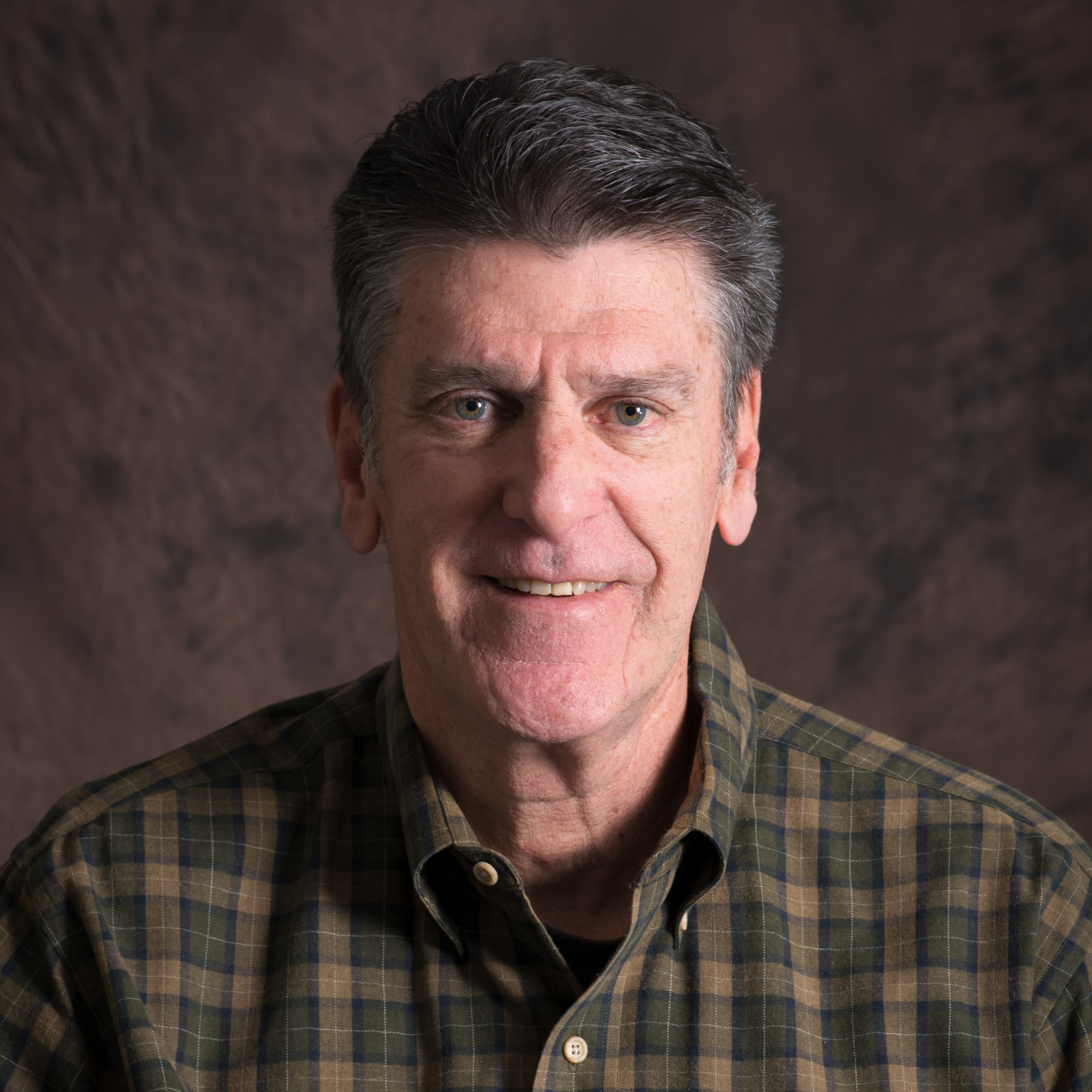
Greg has actively participated in the recovery field since 1987 and has been involved in ministry as a preaching teacher since 1994. Greg served for seven years as the leader of Celebrate Recovery at College Heights Christian Church, four years at God’s Resort as Life Transition Coordinator, and worked as a Certified Peer Specialist at the Recovery Outreach Community Center in Joplin, MO. Greg is currently the founder of In the Boat Recovery, LLC, offering seminars for churches on addiction and recovery, pastoral guidance and care for individuals and families, and is preparing to publish his first book, "The Spirit In The Steps."