Pete's Alcoholism: Hiding In Plain Sight Ep.30
How the words, "Dad, You Stink", changed a man's life, forever. But Pete’s Story of Grief, Alcohol, and finding Christ, is a powerful example of how God get's your attention. Even when you're in an addiction you don't even realize is an addiction. Pete says, "You Can’t Fix You With More of You". Only God can fix you. Enjoy this edge of your seat testimony as Pete is called out of the Darkness and learn how a recovering Alcoholic meets the real Jesus.


Pete grew up in church with godly parents—and still had no relationship with Jesus. After his dad died when he was 12, then his mom years later, anger, identity loss, and daily drinking filled the hole. He hid in plain sight as a husband, dad, and funeral director… until his little girl looked at him one morning and said, “Dad, you stink.”
That sentence became God’s invitation: Come home. It’s okay.
In this conversation, Pete shares:
- How grief, pride, and “I can fix me” became a daily addiction
- The first terrifying 12-step meeting—and what was still missing
- The Sunday he felt his heart physically move during an adult baptism
- The Tuesday morning he and his wife Kim gave their lives to Christ together
- Why recovery only made sense once Jesus became the Higher Power
- Practical first steps if you’re stuck: ask for help, step into the light, and start with “Please”
If you’re hiding, numb, or convinced you’re not worth saving—this episode is for you.
Want to talk with Pete? Email me at addictedtogodpod@gmail.com and I’ll connect you.
Has Jesus transformed your story? I would love to hear it.
Connect with Sarah Annie Schneider
Website: https://addictedtogodpod.com
Instagram: https://www.instagram.com/sarahannieschneider/
YouTube: https://www.youtube.com/@AddictedToGod
Facebook: https://www.facebook.com/SarahAnnieSchneider
Substack: https://substack.com/@sarahannieschneider
Email: addictedtogodpod@gmail.com
Share this with someone who needs hope. Let’s choose the better addiction.
#AddictedToGod #ChristianPodcast #RecoveryInChrist #FreedomInChrist #ComeHome #Testimony #AddictionRecovery #FaithJourney #JesusSaves #TransferYourAddiction #ChristianLiving #HopeAndRedemption #BibleStudy #NewBeliever #RelationshipNotReligion #MensFaith #SobrietyInChrist #GodsGrace #VictoryOverTheDarkness
Sarah Annie Schneider: Addicted to God Podcast. I'm your host and Bible mentor, Sarah Schneider, and I am addicted to God. Addicted to God is a community of imperfect people who are pursuing a deeper, more intimate relationship with God. For over 20 years, I have been on my own Addicted to God journey. This movement was inspired by the hundreds of incarcerated women whom I have had the privilege of mentoring in my local jail. The more I learned about their addictive behaviors, the The more I realize that my zeal to know God's word is not that different from their uncontrollable desire to use their drug of choice. So, in a nutshell, addicted to God is where we transfer the unhealthy, unsatisfying, and destructive habits and choices to the freedom and fulfillment that can only come from the one and only healthy addiction, and that is God and His limitless word. So, friends, before we jump into this. Episode today, I asked that you would please share this podcast so we can end addictions, encourage the defeated, and help anyone who wants to have a relationship with God but doesn't know where to start. So let's jump in and get addicted to God together. Today it is a privilege for me to bring to the microphone a guest, Peter. Welcome to the Addicted to God podcast. And please introduce yourself and tell us a little bit about you. Well, thank you very much, Sarah. This has been a long time in the making. I'm very grateful that you've asked me to come share my story, and I'm just very honored for this opportunity. My name is Pete. I am a very grateful and blessed image bearer of God, made in his image, and I'm also a husband, a father, a son, an uncle, a professional in the world. and a recovering addict. I was born in a very small town called Union Grove. It is about two hours south of here in western Racine County. I am the youngest of seven children. I have â six older siblings as I used to joke with them. Mom and Dad had to keep doing it until they got it right and stopped at me. I don't think they share my same viewpoint of that. My parents were godly people. They were parents that I knew cared about their family. They cared about each other. Union Grove is a very small town. â not unlike the town where I live now. small. rural agricultural, very white. And I don't say that derogatorily. my father was a full-blooded Oneida Native American, and my mom was was white or European. And that is one of the first times where I knew I was different. We got looked at differently, not negatively. Very few people growing up ever said anything derogatory towards my dad. But We knew we were different from the get-go. My parents were meant for each other. They were kind. They were thoughtful. They were hard workers. Their priority was taking care of their family. My parents were not educated, but they were intelligent. And they were very godly people. Church was a big part of both of their lives. Growing up was an adventure in our household. My father died at a very young age. I was twelve. And so my mother was tasked as a widow at forty eight, still had a bunch of kids in this house to raise us and fill the shoes of what my father was. my father was a was a stereotypical, strong, silent type. He was a kind of guy that when you walked in the room, y you noticed. But it was never bravado. It was never look at me. A very strong charisma. He didn't have to say anything. You're like, wow, that's someone who's important, but not important to the world, important to his family, important to his faith. My mother was the same way, but she was the proverbial talk the paint off the wall. That was one of her gifts, the gift of Gab. I identify with that. We all have our moments. I remember at a at a very young age â I would always get the task of going grocery shopping with her. I would push the carts and every aisle of the local grocery store was a different conversation with a different person. And even at a young age going, Okay, grocery shopping with mom, see you guys in three hours. Very talkative, but she shared her joy of life. And I looked to my parents as my role models. They were the measuring sticks of what parents, spouses, and human beings should be. I I've never found fault with anything they ever did. It's easy to say, geez, mom, I wish she had more money. That's not how we were raised. We were raised on togetherness. We were a very tight knit family. I had a great childhood. So where did Jesus intersect your story? You grew up in a church so What did that look like in those formative years? I don't know if Jesus intercepted my story at that point in time. We we went to church because that's just what you did. And we were forced. You know, it it was never if you don't do this, God's gonna send you to hell or anything like that. There was no relationship with Jesus. There was no personal intimate relationship with Christ. You went there, church was very ritualistic. You did this every Sunday. Because that's just what you did. You w you went through the motions. And we had religious classes growing up and I didn't take it seriously. â I can admit that now. I'm sure my mother's probably going Good job, Pete. â it and and I don't I don't fault my parents. Their faith was very strong, but I had the personality of Mom if if God's everywhere is he in the toilet. You know, the real kind of smart wise guy stuff and she tolerated, but I'm sure she's probably like, I'm gonna smack you, kid. But again, there was no relationship with God. You went to church because that's just what you did. No explanation. We had an older clergy who was very stuck in his ways. And he was definitely kids should be seen and not be heard kind of mentality. And when you're a younger kid, an adolescent, even a teenager, church was more of a place to screw around than learn about the Bible. And there is people in my life growing up who would try to have you thought about this? Have you thought about that? Not really. I was more concerned with being a teenager and not about knowing who God was. â my wife and I talk a lot about our formative years in the church. Church was very Jesus heavy. God was mentioned as the guy who did all the heavy lifting. The Holy Spirit was like, yeah, he's in the Bible somewhere. And there was just not really a lot of emphasis on that. As I mentioned, my father died when I was very young. We managed as best as we could to to get through that. There's a couple of siblings who still don't talk about it. He's been gone for nearly 40 years. He's been gone longer than. than my memory of him. So sometimes I struggle to remember what he looks like. And I've a I have a picture that I'll look at. Teenage years was a lot of anger. I was angry and I knew why I was angry. You did know why? Or were you confused? â no I was angry because because my dad was dead. Mm-hmm. And I mentioned before, I knew we were different because we weren't we weren't like everybody else, you know, my dad being native. Yeah. layer on top of that. I'm the first kid with a dead parent. And I had a lot of friends who reached out to me when I was twelve, thirteen years old and I I didn't know how to react. Plus hormones. I was a very awkward teenager. I was tall, tall and fat. Not much has changed for those who you can't see. â but I think we can all identify with being awkward teenagers. Yeah, yeah. So there was yeah, there was a lot of awkwardness. I did not have that father figure and my mom did the best. She worked third shift as a nursing assistant and as a nurse in the local group home on third shift for forty four years. So she did her best to take care of a family and I don't know when that woman ever slept. Yeah, so I'm imagining that kind of a tragedy that young in those years when you haven't even figured out yourself yet, let alone the grief and all that you're enduring. When did you start to turn to substances or other things to fill the void or numb the pain? Or how would you describe what drove you toward addiction? The drinking started in high school. It wasn't continuous, but there was a lot of kids whose parents were like, Well, if if you drink here, you can you can do what you want. That snowballed in college. I went away to college and you are untethered, you're you're not covered by a role model or a parent. I was far enough away and there was no one in my graduating class who was there. So it was like wow I got freedom for the first time in my life. Or I grew up again very small. It was the kind of town, your proverbial small town, if if you Hiccuped at the high school, the people at the gas station knew about it in 15 minutes. So I was in a college far enough away that I was unknown. And that was freedom. And I can't say it was freedom to be me because I still didn't know who I was. I think the big part of addiction that a lot of people don't understand, it's not solely the physical act. That's the symptom. That's what the outside world sees. To me, it was the identity or the loss of the identity, and maybe even further, not having an identity. And that's not anyone's fault. Not my parents, not my siblings. Certainly wasn't my future spouse who I met in college or my children or my employer. I never endeavored to make a connection with God because I didn't think I needed him. A lot of addicts who don't have that identity. Of themselves, they rely on self-knowledge. You are able to rationalize everything you do. Well, if I know I can do this, I, and then that I takes over. I can do this, I can do that, I'm the top of the world, I, I, I, I, I. That's what you see, it's what you hear, it's what you think, it's how you act. If you are the center of the world and you do it long y enough. You convince yourself you don't need help from anybody. I did not have that fatherly figure. I didn't have that mentor. And I wrestled for many years with my siblings. Well, why did why didn't you step up for me? Well, you know what, Pete? Their dad died too. That was very selfish of me to think like that. You know, dad did this for me, dad did that for me. How come you didn't do this for me? Well Again, their dad died too. So everyone in that family had a dad-sized hole that was gone. Absolutely. And my mother was was struggling. The only thing that kept her afloat was her faith. And I was jealous of that. And again, this is early 20s, and you're you're you're in a four-year institution that teaches you to get a piece of paper, but it doesn't teach you how to live. And I was angry. Why did this happen? To me. Why God, why did you do this? I was angry at God for a long time because of the circumstances that I was not able to cope with. I never asked for help. So that goes back to the I thing. I got me into this, I can get me out. You throw on the addiction and you realize that you can't do anything. You're powerless. One of the greatest things I heard in a sermon at a church many years ago, you cannot fix you with more of you. So I tried to fix me with more of me. And this is even before I really started to drink. When it became a daily thing. I'm pretty sure I wasn't the nicest guy to be around because that that anger was was seething, it was boiling. There was some days, Sarah, I woke up and I couldn't wait to be angry. I couldn't wait to be offended. I couldn't wait to like, â how dare you? You don't know my story. And I had no one to blame for the anger because I wasn't willing to tell my story. I wasn't willing to seek the help. I wasn't willing to be vulnerable. Wasn't willing to be authentic. A lot of my problems were self-made. There was no culprit that instigated this. It was me. So did your addiction become a pursuit for you to suppress some of that anger or to manifest it? Help me understand how did it go from the party life at college to the kid who had a daily problem? Mm-hmm. It was more camouflage than anything else. It was to hide the weaknesses. It was to hide who I was. It was to hide the hurt. I didn't have a daily addiction until after My mom passed. My dad died in 1987. I was twelve. My mom died in two thousand nine. I was thirty-four. And there's a six month stretch in two thousand nine where I probably should have been institutionalized. Within that six months, I quit a job. My second daughter was born. I started a new job. My mom died very suddenly. I got in a major car accident and then I lost my job. â wow. So That was from April of 2009 to August of 2009. I had all those things happen. And drinking was how I coped. That's how I hid. Yeah. I was able to hide in plain sight from everybody, including myself. If you could go back on that time frame, because that's a lot. That's a lot. What would you do differently? Or do you just think that was the best thing you could have done? It was the only thing. And this is gonna sound very flawed. It's the only thing at that point in time that made sense. I'm certain a lot of people can identify with that. Pain is real. Yeah. I I was lost. Yeah. I didn't have an identity as a child because both my parents are gone. God called them home. I struggled to identify as a supportive â husband and father because I was unemployed. I get in a really bad car accident. Was alcohol a cause of it? No. Okay. No. That was that was the banana peel to start. So I wasn't a child. I struggled as a parent and a husband. I lost the other connecting factor who I was, my profession. I've been a licensed phenotype for over started back in November of two thousand four. So my identity as a professional was also gone too. So I'm adrift in Part two of what I experienced with my father died. And again, the selfishness of how come my siblings aren't talking to me about this? Well again, not only have we lost our father, now mom's gone. Mm-hmm. Mom was the matriarch, mom was the linchpin of the family. She did everything everything was about mom in her final years. So again, I struggled to reach out to my siblings because their mom died too. And you're still running your own life because you were Filling it with you. Mm-hmm. I filled it with me. I filled it with all the wrong things. Me and alcohol. So that started the descent to being daily. And at that time also had a lot of pain pills that I had access to. And when the pain pills ran out, well, I don't have any more pain pills. Double the alcohol. Mm-hmm. I was seeking to numb the physical pain, the emotional pain. I can't say I was seeking to numb the spiritual pain because again, there was no relationship. Yeah. Anytime I had gone to church, to freely have gone to church was for a wedding or a funeral. We'd joke. Watch out, church is gonna burn down because Pete's walking in there. â all my siblings would would say that. So again, to go back, there was no relationship with God. He was the magic guy behind the curtains. He going gee huh. Thanks, Jesus. You know, good job. â Right. And I appreciate that you've disclosed that you are a funeral director because you obviously were very exposed to death and end of life. Oftentimes people are at a funeral recognizing they need God. But now you're surrounded with death â as your profession. Were you numb then to it? You couldn't understand or conceptualize that God was necessary? Or did your career continually remind you that Maybe he's somebody to check out. Because I'm certain some of the funerals or some of the visitations were religious. Some were. Many were, but many of them were of the denomination I was raised in. And it's like, â we're going to St. Bob's again. So it was kind of like, â okay, you know, you know how this is gonna be. I had convinced myself that I needed to talk to a priest or a pastor. I needed to talk to a air quote holy man to find God. Okay. When really I just need to talk directly to God. And I think of all the subtle ways where he would be like, you know, Pete, it's it's it's okay. I think of the times where I I had that revelation and I ignored it. One thing I held on to for a very long time. And and and at this time I'm I'm actively addicted. I'm I'm drinking every day. Sometimes I would start at dinner time, sometimes I would wait till the kids were in the bed. But it was every day using over about a eight year period. I probably didn't drink maybe three or four days. My day was built around making sure I had a bottle. And did you know you had a problem? No. Okay. No. Many people in my profession I think had similar struggles, but I was so used to it. My family just and again, this is not my family's fault. They just they just watched me do it. So it was normal behavior. When I look at when I started drinking every day from August of two thousand nine to when I when I quit cold turkey July eleventh, twenty sixteen was my last drink. That time period I did not admit to having a problem till probably the last two or three months. And what got you there? What finally took you to the place that you could admit you had a problem or that it was a problem you needed to deal with? My vision was starting to get blurry. My handwriting was not good, but it was more just the mechanical activity of my life. Get up, get the kids to school, try to be productive, you know, try to not smell like alcohol at work. Kids get home, dinner, bathtime. pretend to be interested in anything outside of my next drink and off to the races with drinking. I mentioned July 11th for a very specific reason. Obviously that is that's the day of my last drink. That's the day that I heard God talk to me. And he did not talk directly to me. He talked to me through my kids. It was pretty sure it was a Tuesday and I'm shuffling my kids off to daycare and my my oldest daughter, Maddie. I was getting them to the car and and I'm pretty sure I was probably still intoxicated from the night before. And I was giving orders and I was probably slurring my speech and just being a wreck. And she looked at me and she said, Dad, you stink. And it was not said out of maliciousness. It was not said to injure me or to shake her finger. Dad you stink. From the mouth of babes. From the mouth of babes. I drove them to wherever their daycare was, and I couldn't wait for them to get out of the car, and I just broke down. Broke down. That was probably the lowest point of my life. Worse than my father dying very young, worse than my mother dying, worse than a job loss. That was the lowest point of my life by her saying that. That was God saying, Come home. It's okay. And that that was the first time. And I went home, did one of the dumbest things I ever thought of was call my wife and tell her I was gonna quit drinking. My wife's at work and she probably going what? Out of the blue. Yeah, out of the blue, proceeded to dump all the alcohol out and started looking at places to admit myself for detox. And I didn't find anything that would suit my needs, because at that point in time, I still have to pretend to be a parent and a husband. So I did the next best thing is I called the local hotline and I don't remember who it was. But that person's like, okay, come on, come on down to there's this fellowship and â come talk to somebody. So the the very first meeting I still remember I was I was absolutely terrified. I think I'd swept through my clothes three times. Wow and I'm halfway in and out of the door. There was a neon sign over my head that said new guy. Uh-huh. Well, that's a very intimidating step to take. Yeah. For anybody, I'm certain. Yeah. Because the call to my wife was was a private call for help. My wife's name is Kim, by the way. Sorry. Sorry, Kim. â been married for â Thursday will be twenty-six years. â boy. Congratulations. You congratulate her first. Yay, Kim. Lot of tough times. Mm-hmm. A lot of tough times. But also those tough times have been overshadowed by the growth, the transformation. She has been with me through this recovery walk and also our our joined faith walk. We put God first in our marriage many years ago where he should have been, but we chose not to because we both thought we knew better. And did Kim have a religious upbringing or a background in faith that she had Before you or did you both grow into finding Christ together? She did. She went to a Christian high school. When she does talk about it, she admits that she fell away pretty quickly. â and that's her story. Mm-hmm. But she said, you know, yeah, I I I fell away real quick. You go to school and you meet people, your priorities change, and again you lose your identity. Many of us do. And to go along With the loss of identity or not having an identity. So when you don't have an identity, you don't have a purpose. True. We get as young adults, young married adults, you chase the American dream, which does not set anybody up for success. You chase the wrong dream. You chase all the stuff that the world tells you to chase. Success, money, career, money. The other buzzword. Happiness. â yes. Happiness is fleeting. Yes. What makes me happy, hey, I'd wanna sit in my couch and eat pizza and watch reruns of Law and Order. That would make me happy, but it's not my purpose. Right. The the purpose is to pour into others the same way that you have been poured into. And I ignored all the people who would poured into me as a youth, as a young adult. I didn't care about that until I was in my professional career because hey, I got to wear a fancy suit and drive a Cadillac. But even then it wasn't enough because I still medicated, you know, I get air quotes folks, medicated myself every day with made me happy, not what gave me purpose. So let's go back to you walking into that meeting for the first time. You called it fellowship. Was it at a church? And was it a religious or Christ centered recovery program? At that, so the fellowship I practice a 12 step fellowship based on biblical principles. That meeting was was based on it, but it was more of a secular version. And I didn't I didn't know that. There was two gentlemen I wish I had gotten their names, but two guys saw me and recognized, hey. This is a new guy, a new guy who's struggling. I was able to exercise the first step because someone or some people were exercising their 12th step. They understood and saw that someone was struggling, and hey, we need to help this guy. We need to pass along to this new person who has been passed along to us. Because if you don't have someone who recognizes that, that new person who probably summoned Every bit of courage they had to go to a meeting, if if there is a negative experience, I'm almost certain that that new person goes back and says, Well, the heck with this, and they go back to using whatever their vice was. Was that group effective? That particular group, no. I had to meeting shop. I had to go to a meeting that's â I felt comfortable. And this is still when we lived in the Milwaukee area. And I and I found a place where I felt welcome. We transitioned up to the Appleton area for my wife's job. And I'd found another meeting. It was okay. But I was still missing. It's like, what am I missing? You know, you read the literature, you go to the meetings, you recite all this stuff. But it's like there's still something missing. And still arrogant, selfish, broken me. It's like, â I know. I need to talk everything about me again. And I was in the danger of of relapsing. Now mind you, we we came to Appleton in the summer of seventeen. So I had been a year physically sober, but I was not in recovery. I was I was still finding my way. One of my wife's co-workers attended a pretty big church in the Appleton area and invited us and like, we're gonna do this again. Okay, all right, whatever. And the first couple of times I went because I was, you know, my wife's going like, okay. Make her happy. Yeah, make her happy. Be the good husband. The first couple of times I remember the first time I went, I I sat in that chair and if I if I had enough room to to kick my feet and have a tempered tantrum, I would have, you know, you can't make me go to church. You can't meet that and It was that selfishness that was still fighting for first place in my life. And we kept on going. They're a contemporary, non denominational Christian church. And they had the music. I'm thinking like â man. it's it's been here for five minutes. I feel like I've been here for four hours. Are they gonna just start, you know, do something like, â man, you know, â dreadful. Well, one day, it's like, you know what, Pete? Appease your wife. Just listen to what they had to say. You consciously had to tell yourself that. I I I consciously had to force myself to take the spoonful of medicine. And the guy in the stage started talking about Jesus. But this is not the Jesus of my youth. This was a loving. A redemptive Jesus. A person who cared about me. That's not the Jesus I heard when I was a kid. It was the angry, vengeful, spiteful God. You do this, if you don't do this, if you don't blah blah blah. If you don't do what the guy in the robe says, you're gonna go to hell. And I was hearing about this Jesus guy who I'd never heard about. A â man. But the story. Of how he gave his life for a complete stranger. And the beautiful part was is I wasn't a stranger to him. He knew me. He knew me in ways that I didn't know myself. So It was February of I want to say it was 2018. I might have the timeline wrong. If it is, I apologize. We were at church on a Sunday morning and they had baptisms. I'm like, â I'd never seen an adult baptism in person. You see it on TV. I was baptized as a child. I don't remember it. â I had my kids baptized, you know, my wife and I we had baptized. Both our daughters baptize as children and they don't remember it. â and I understand the the dogma behind it. But an adult baptism, I was like, you know, I'm watching this going like this is just fascinating. I and I I just my eyes were glued to it. And I think it was the second person. I'm I'm sitting here, my wife is to my right, and the the pastor dunked the person, they came up. I felt my heart move to the left side of my chest. Like someone reached in my chest and moved my heart with their hand. And I grabbed my wife's arm. And I'm thinking, like, I'm having a heart attack. Right? I'm gonna die in church. And at that time, that was an okay place to go. And it it just it it it moved me. In a way I'd never felt before. And again, it was like it was God saying, Hey, come on, come home. Come home. It's okay. It is okay. And I knew it was God because I didn't fight it. In the past I was like, â yeah, you're whatever. I didn't fight it. And it was a sense it was a sense of peace. That was Sunday morning. Monday was a was a normal work day. And I remember I was super duper distracted. I just kept thinking about watching that physical act of the baptism going, huh, this Jesus guy is he's he's on to something. And it was Tuesday morning, laying in bed, and I just had this incredible sense of peace come over me. And I looked at my wife and I said, Alright, give my heart to Jesus. And that was a Tuesday morning. It has been quite the journey since then. So it it was it was the bolt from the blue. And it was not about Pete, you've been a bad person. Pete, you screwed this up. Pete, I saw that. It was Pete, come home. It's all about Kudio Kamino. And It wasn't Pete the funeral director, it wasn't it wasn't Pete the parent, it wasn't Pete the husband, it was Pete, you're my child. I'd never felt that before. That's very powerful. It it's it's d disarming because you know you don't have to hide anymore. And what did that surrender look like on that Tuesday morning? A prayer? A walk, a cry. It was peace. It was peaceful. It was laying in bed next to my wife, who I now know God gave me. You know, we were a gift for each other. It was appropriate because it was not me doing it separately. It was not my wife Kim doing it separately. It was Pete and Kim doing it together, the way God intended it to be. It meaning giving your life to Christ. Giving our life to Christ. Yeah. Yeah. And It was also of like, how do I then demonstrate this to my children? You know, they they had only known dad being sober for a couple years. I mentioned the awkwardness of my youth. That first year of sobriety was really awkward because I was getting to know who I was again. I didn't know who I was. Again, I didn't have an identity. And you were breaking a habit. That you became very accustomed to. Breaking a pretty nasty habit, yeah. Yeah. How did having Christ in your life change what recovery looked like for you, if at all? â it made recovery make sense. Unpack that. How can recovery make sense through Christ? I mentioned a bit ago about happiness. It was it was freedom. It was freedom from who I manufactured myself to be. It was the freedom to know that despite of who I used to be, I was able to focus on what happened and then figure out who God made me to be. It was knowing that the way out wasn't a self help plan, it was help available. A lot of that really became cemented by attending. church worshiping with with guys who were probably just like me, but the the authenticity, being vulnerable, starting to spend time in his word. I prior to that, Sarah, I don't think I ever cracked a Bible. Yeah. The the Bible was dusted off once in a while. You mentioned earlier in this podcast, you hinted at it, but I want to put a light on it, which is Addiction is the symptom that there's something underneath and underlying and it just happens to manifest itself in your case through alcoholism. How has Jesus gotten into those underlying root places in your life that ultimately drove you to alcoholism? I'm thinking of the death of your father, the death of your mother, car accident, job losses. daughter telling you you're stinky. I mean, how have you been able to address those underlying issues and how has God done that for you? For me, the key to my recovery was the, and this is gonna sound strange. So the fell let me back up. So the fellowship is is, you know, the 12 steps, you know, 12 step program, admitting that you're powerless. For me, it was the willingness to be I had built up such a facade of who I was. I mentioned earlier camouflage. Yeah. Again, I to to not I hate to use the term again, but I hid in plain sight from everybody, including myself. It allowed me to take a look at who I really was. I had a former coworker when I had my believers' baptism in September of 2019. She asked me, she's like, Was getting baptized easy? I said, well, the physical act was a piece of cake. That was easy. But I said that I said the spiritual component, you you took a look at yourself in the mirror. And sober Pete, when he looked in the mirror, didn't like what he saw. But Pete in recovery said, Okay, there's something to work with. But the Pete who surrendered himself to Christ, our risen Lord and Savior, says, Hey, I can see myself, well, God sees me. And I think that's what it was. I was able to look at myself as someone who was worth the fight. Amen. Many, many addicts don't think of themselves as being worth the time to be saved. That's why we hide. We hide so much of who we were. Jesus called me out of the darkness. One of my favorite scriptures, Colossians one, I think it's 13. Jesus calls us out of the darkness into the light. Think of all the times in his word where Jesus is is the light. And addiction is dark. Addiction is dark. I would refer to it many times as the darkness. Yeah. Tell my wife I I can feel the darkness. The darkness used to sit on my right shoulder. I have a knot in my right shoulder. Even though I'm still in you know, in recovery, that knot's still there. The darkness doesn't come by very often, but that's where it sits. So I love giving resource recommendations on this podcast and one book that I would recommend to my listeners that you just reminded me of is a book by Neil T. Anderson called Victory Over the Darkness. A very powerful depiction of what you're saying. If anybody is feeling that sense of darkness, that would be a great resource. Is he the same person who wrote Bondage Breaker Bondage Breaker? Okay. Bondebreaker was very good. Yes. I loved Bondage Breaker. My incarcerated girls read that and we walk through that too. Yeah, good stuff. Very, very good. You mentioned literature. So I was able to pour myself into reading scripture every day. That really cemented my purpose, what God wanted me to do. And again, it just d the forgiveness. I mentioned earlier that addicts don't feel that they're worth saving. If you feel you don't worth saving, you don't feel worthy of forgiveness. True. There there's a lot of emotions that are contained within those sentences. And the hardest person to forgive is yourself sometimes. I I say when I I chair some of my meetings, who's the person we beat up the most? Me. Us. Who is the person we we have the least forgiveness for? Me. Mm-hmm. Took me a very long time to forgive me for for what I was. Where I really, really, really, really got it was on my 50th birthday. I asked God to forgive me. That was that again was a very deeply moving experience. And to know he is and will. Yeah. And already had at that point. And I knew he had, but it's like I needed to say it. Sure. And all the all those God moments I mentioned about the whole I. Me, me, me, me thing. I was able to take those me moments into God moments and really just really just soak that in. That is so good. And h hear his voice. What advice would you have for somebody who's listening to your story, possibly really resonating with your story because they are finding themselves in it? What would their next or first step be toward getting victory that you have found? There's a lot of resources that are available to folks who are stuck in addiction. No matter what that addiction is, drugs, alcohol, pornography, shopping, gambling, eating, y you name it. Yep. I think the first thing, and this sounds very easy, is to pray about it, but it's asking for help. Something that's very hard to do because you're admitting You were starting to peel back the layers of all the stuff that you hid. Again, I mentioned I I hid myself for years. Yeah. So I had to step into the light. I had to be willing to be wrong. For for many years I did not want God to exist because by saying God existed, I was wrong. And that that pride, that selfishness, â no, he God doesn't care about me. God cares deeply about each and every one of us. No matter what we think, no matter the circumstances. Very easy to say the circumstances, say otherwise, but I I'm I'm living proof that God loves each and every one of us. But to answer your question, asking for help. It's it's it's a scary thing. It's a very scary thing. Just ask for help. Ask for help. Ask for help. There are enough resources out there that you can find that help. It's that willingness. There's online sources, there's printed material. Many churches have access to support groups. I am always willing to share my contact information. I share my contact information and again this is not a you know boasting, but with police departments, with churches where I live and work. I might not have all the answers, but I'm willing to listen. And I think once you ask for help, God's gonna show you someone who's gonna listen to your story. â absolutely. Absolutely. So what does your daily walk look like and your daily disciplines or spiritual disciplines that you've adopted since you've become a child of God? I call those my non negotiables. Morning starts out with prayer. I am active on social media. I post some personal things on Facebook and maybe people aren't Facebook fans, but I keep a written prayer journal, which I write in every morning. I read out of my fat book. This is one of the printed resources that has been very beneficial to me. It has this is again, folks, you can't see it, but this has â basics from the fellowship that I attend. It has insights, it has interpretation, and at the very bottom of every page is scripture quotations. Very so this is based on the word of God. At nighttime, I have my gratitude journal. But the most important part is trying to stay connected with God throughout the day. Just I love that. Little, little snippets of prayer. They might not be deep. They might not be always thought provoking. But just that 30 seconds to Heavenly Father, thank you so much for this day. You know, please, please help me with this. I have found my prayer life has become more more robust when I start with please. Start my day with please. And it's not God please do this. It's God please help me with this. Please guide me to this. Please show me this. And the ninth time is thank you. Thank you for the opportunities. Thank you for protecting. Thank you for rescuing me. Thank you for the provision that you have given me. Thank you for the courage to carry this message to those who need to hear it. That's so good. That's powerful stuff. Very powerful. So that's a great segue into the last question I have, which is what does being addicted to God mean or look like to you? Being addicted to God is knowing that I can't do it on my own. It's knowing that He loves me, He values me, He created me for a purpose. God puts people in our pathways for a reason. He tells me that all I have to do is trust Him and He supplies the rest. Being addicted to God is Knowing that he's got my back and he's always gonna be there for me. Pete, thank you so. much. This has been an incredible conversation. I wish I had video for this because seeing your heart and how you speak about your Lord and Savior and how he's transformed your life, you alluded to yourself being a tall, big guy and your vulnerability is inspiring as well because I think there's that macho tough man perception that you can't be sensitive or vulnerable and it means a lot to me that you are and could be. I trust this message will change lives and I trust the Lord will use your story as He's already using your story to encourage people, bring a sense of peace to people who may be lacking that sense of peace and ultimately hope to people who are feeling that sense of hopelessness. So to God be the glory for for all you've done, been through, and will do for the kingdom. Amen. Amen. Thank you very much for your time. I appreciate it. Thank you. So friends, I want to end this episode by thanking you for giving me your time, your ears, and your hearts. I am truly thrilled to have you on this addicted to God journey, learning how to trade every harmful addiction for the one that truly satisfies, and that's Jesus Christ and his life-giving word. If today's episode stirred something in you or you would like to talk to Pete, he seems open to share his contact information. You can email me at the addicted to Godpod at gmail.com and I would be honored to connect you. Also, if you would share this with someone who you know who is stuck or feels hopeless, you never know how God might use it to spark freedom in their lives. I'm also always looking for guests. If your life has been genuinely transformed by Jesus, If you've experienced what it means to transfer your addiction to him, then I would love to hear your story. As we close, remember, you are not defined by your past or your struggles. And when you transfer your addictions to God, he becomes the healthy addiction. So God bless you, friends. Don't forget to fix your eyes on Jesus, the author and perfecter of our faith. And we'll see you next week. Don't forget to choose the better addiction.
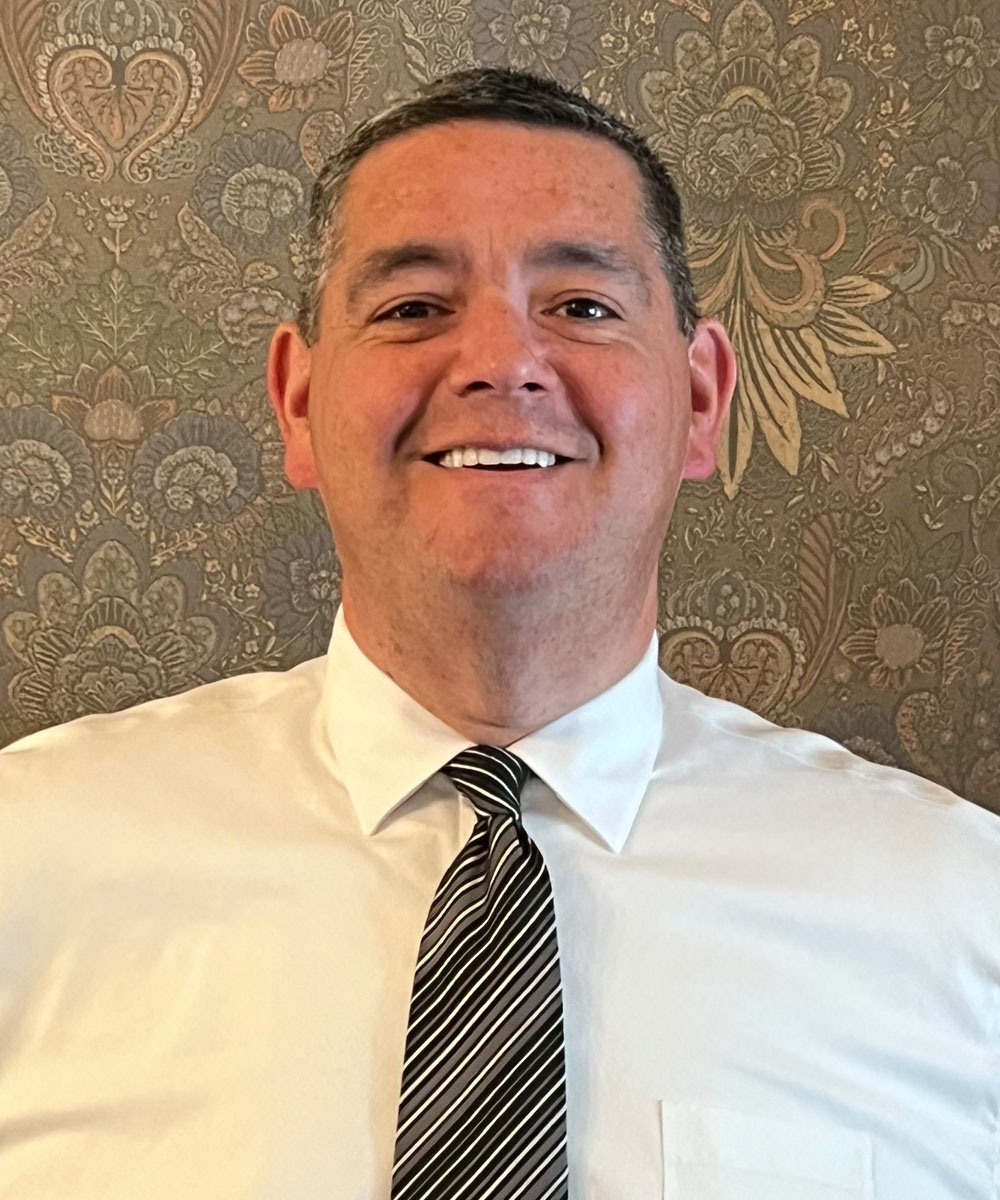
Child of God/Husband/Father/Recovering Addict
What do you do when God tells you to move? I was fortunate to be able to hear His voice through my children on July 11, 2016. This is a story of identity; how I lost it and then regained it through the grace and mercy of our risen Lord and Savior.